
Obligations · Risk · Spend
What is required.
What could go wrong.
What it costs.
You can produce an answer to each of these. What is harder to show is where the answer came from, when it was last true, and what would change it.
What changes, and where it is shown
Three outcomes, each one the short form of an argument this page makes further down or the research sets out in full.
Time to an answer
The first stage maps what exists; after it, the position is maintained rather than rebuilt. When the next review arrives the answer is an extract, not a project — which is where the hours come back.
Answers that open
A conclusion that walks back to the record, the source and the date behind it can be defended. One that does not is an assertion repeated. Every figure on these pages resolves that way, and the registry behind them is open.
What it actually costs
Tooling cost has four components, and the ones that move after signature are integrator dependence and licensing by the module. Both are set out here as a maintained subject, with the questions worth asking any vendor — including this one.
Three familiar frictions
Different symptoms, one missing structure.
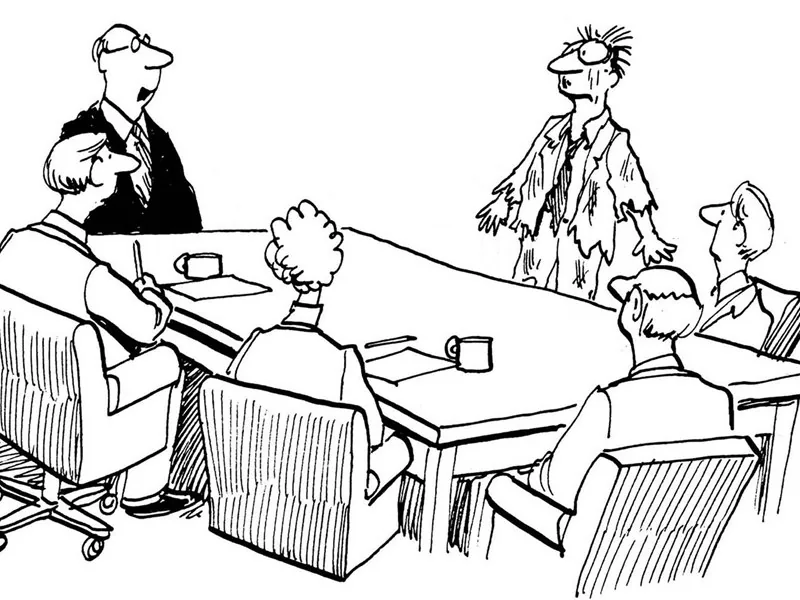
Another reporting cycle, assembled by hand.
Heavy workload
You do the same work three times — once for the auditor, once for the board, once for whoever asks next. Manual assembly consumes the hours the analysis needed, and the backlog is rebuilt each reporting cycle rather than retired.
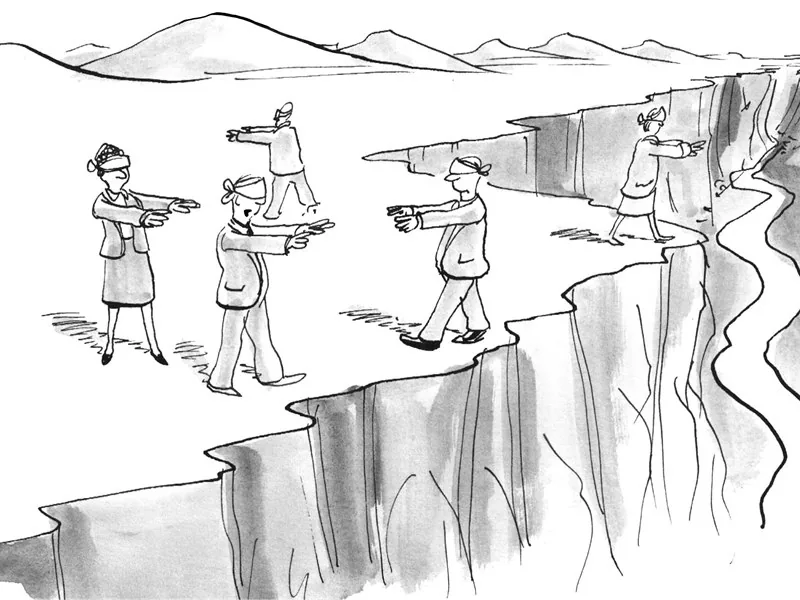
Confident steps, no sightline.
Blind decisions
Reports that describe the data without opening it. A figure you cannot drill into supports a discussion, not a decision — and the meeting moves on with your question intact.
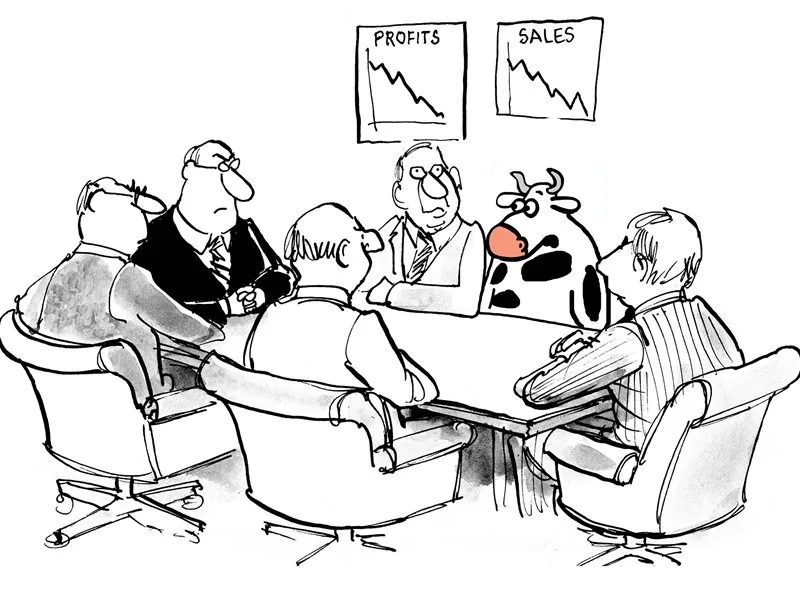
The question waits; the meeting continues.
Slow performance
Answers measured in fortnights. A question that takes two weeks to answer gets asked less, and eventually not at all — which is how you stop using information you already hold.
Why this is harder than it should be
None of these is a new problem, and software is sold for all three. The difficulty is not a shortage of software. It is a set of trade-offs in how such tools can be built, whose consequences become visible only after purchase.
Implementation becomes a project rather than a configuration. Where a system can only be shaped by the people who built it, the timeline stretches, the cost moves from licence to services, and the organisation stays dependent on outside help for changes it should be able to make itself.
Capability arrives in pieces. When risks, suppliers, controls and incidents are licensed as separate modules, the relationships between them — where the useful answers live — become a commercial question rather than a design one.
Reporting is the last thing built. A register can be immaculate and still be unable to answer a board’s question without a data extract and somebody who knows SQL.
Evidence sits beside the system. When the artefact proving a control was operating lives in a shared drive or an inbox, an assertion cannot be walked back to its source — which is precisely what an assurance function is asked to do.
Registers stay registers. A list of risks, a list of suppliers and a list of controls are three lists. A decision needs the relationships between them: if this supplier fails, which services stop, which limits are breached, and what was relied on to prevent it.
These are not exotic failures. They are the ordinary result of buying capability by the module and configuring it by proxy.
Six standards, applied across all three offerings
Reference material stays current as a standing activity, not refreshed when a sale requires it.
A conclusion can be walked back to the record, source or decision that produced it.
Assertions are supported by artefacts held with the work, not beside it.
Things that matter have a named owner, and things without one are surfaced rather than tolerated.
The output exists to inform a decision, not to complete a register.
Work done once answers more than one question.
The six are listed beside this figure, so the figure does not list them again for its own sake. What it draws is the part of the heading a list cannot carry: applied across all three is a comparison, and the thing it is being compared with is the arrangement on the left -- the same six, maintained three times over, with nothing holding the three copies together.
Offering · Compliance
A position that stays current
The initial mapping is done once. The continuing work is keeping it true while instruments are amended, editions are replaced and structures change beneath a position that was correct when it was written.
The compliance offering runs as a continuous loop.
Step through
Monitor. Frameworks are tracked as structured data — editions, dates, structure and the relationships between them.
Detect change. New editions, commencements, withdrawals, structural changes and revised relationships.
Analyse impact. Which requirements, controls, mappings and coverage positions a change actually touches.
Suggest. Risks worth considering for the register, and controls worth adopting or reviewing.
Human review. Each suggestion is accepted, amended or rejected by a person. Nothing is applied automatically.
Maintain position. The coverage position stays current, with the decision behind each change recorded.
Nothing is applied automatically: suggestions are recommendations for review — never determinations of compliance, and never legal advice.
The first two stages are public. The Framework Registry tracks every framework in scope — editions, structure and overlap — and the change feed records what moved and when. Both are open, so the monitoring behind the loop can be independently inspected rather than taken on trust.
Offering · Risk Management
From a register to a decision
Arash connects risks, controls, services, suppliers, obligations and evidence in one decision model. It exists because a well-kept register still cannot answer a question about consequences.
The progression runs in one direction. Registers record what is known. Relationships connect each risk to the controls, services, suppliers, assets and obligations it actually touches. Evidence establishes whether a control was designed properly and is operating in practice. Consequences follow those relationships outward to what breaks, and when. Decisions are what the organisation does about it, recorded with what it knew at the time. Every question a real event raises is a traversal of that same model, and that is the difference between a register and a system a decision can rest on.
The question is an example and the answer on the right is drawn, not captured: it shows the shape of the traversal rather than a screen. What the band states and this draws is that the two halves hold the same material. The difference is entirely in whether anything is recorded between the lists.
Offering · Cloud Cost Control
Spend that can be accounted for
Cloud cost becomes a control problem when spend lacks attribution, ownership and a recorded decision — three properties a billing console cannot supply.
Consumption decisions are made by engineers. The financial consequences land on finance. Between the two there is usually no shared record of who decided, on what basis, and whether it was worth it. The provider’s billing console reports what was charged; it cannot say which team owns the spend, what business purpose it serves, or whether the commitment made eighteen months ago is still the right one.
Cloudient is the solution associated with the Cloud Cost Control offering; the Solution Roadmap is the authority for what is available today.
An engineer decides
An instance size, a retention period, a region
No shared record
Who decided, on what basis, and what it would cost to change
Finance pays
A line on an invoice, with no way back to the decision
The middle box is the whole of the offering. A billing console can describe the first and the third precisely and cannot supply the second, which is why this is a control problem and not an optimisation one.
Where this applies
The offerings serve organisations whose obligations are examined rather than assumed, and whose failures have consequences beyond inconvenience.
Hospitals and health services — clinical and enterprise risk in two registers, and accreditation examined on operation.
How the work runs
The next audit should be the easiest one
From scattered records to a maintained position, in three stages.
Before — establish the position
Your obligations in documents, your risks in spreadsheets, your spend on an invoice. The first stage maps what exists: what binds the organisation, what is already controlled, and where nothing connects.
During — build the structure
Obligations mapped to controls, controls to evidence, services to suppliers, cost to owners. Work done once starts answering more than one question.
After — maintain it
The loop keeps the position current: changes detected, impacts analysed, suggestions reviewed, decisions recorded. When the next review arrives, the answer is an extract, not a project.
How the positions are formed
Everything above rests on maintained material: a framework library, a mapping set, and the research behind both. The method is published — where sources come from, how a mapping is made and confirmed, what a coverage figure means, and what will not be published. Every figure on this site resolves to a maintained source with a visible date.
Research that stays current
Ten maintained subjects — kept accurate as instruments, prices and practice change.
Each subject states its sources and the events that trigger a review. Explore all.